
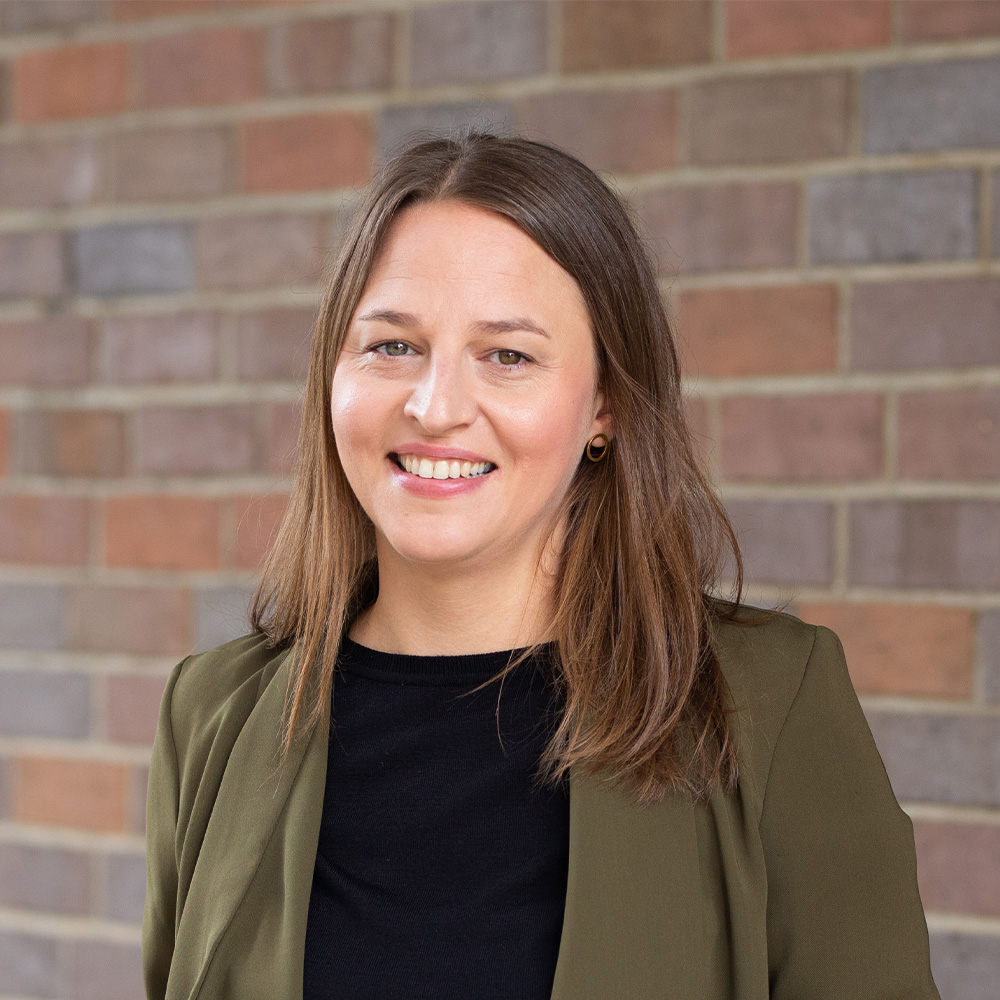
Melanie Bartos is a science communicator at the Public Relations Office of the University of Innsbruck. She focuses on multimedia and social media science communication, with a focus on climate and sustainability research. Bartos coordinates PEAK, a university-wide communication project on climate, biodiversity, and sustainability. She is connected in the European science communication and independent podcast landscape, is actively involved in the non-commercial media sector in Austria, and works as a lecturer and workshop leader.
Following an international call for science communicators, she was selected to join Expedition 503 of the International Ocean Drilling Programme IODP
Questions of trust in science are often abstract—until the research process is witnessed up close. In December 2025, I got the unique opportunity to spend 3 weeks in an International Ocean Discovery Programme (IODP) expedition aboard Chikyu, one of the world’s largest scientific drilling vessels, documenting the work of an international research team and the crew in the Japan Trench through hours of audio, video and hundreds of images. Operating in the hadal zone more than 7600m below sea level, the expedition combined interdisciplinary research under extreme logistical and time pressure. Sediment cores recovered from the trench record earthquakes and capture links between Earth history and deep-sea life, in a largely unexplored area. The expedition amplified the realities of research: exchange and negotiation.
This experience reinforced a key insight for science communication: trust grows when the process becomes visible. While storytelling is not new, focusing on scientific process gains renewed importance in times of mistrust. Although very few research projects descend into the deep sea, all science relies on the same architecture of uncertainty, iteration and collaboration.
This session uses an exceptional setting to discuss how shifting from presenting outcomes to sharing processes can help strengthen credibility and reconnect audiences with science. Focusing on the scientific process, rather than only the results, is crucial for science communication, especially now.